
What is N-acetyl-Carnosine (NAC)?
The amino acid L-Carnosine is abundant in young healthy eyes. Researchers discovered that those with degenerative ocular illnesses like cataracts had become severely deficient in this very important ocular antioxidant. Topically applied NAC eyedrops effectively re-establish optimal levels of this powerful antioxidant to the eye thereby generating healing and repair response in many sufferers.
The eyes’ innate ability to restore itself, manage inflammationand resist infection even after injury is one of its most impressive qualities. However when the eye’s natural L-Carnosine levels become deficient these powerful healing abilities are compromised. NAC eye drops deliver a special ocular form of L-Carnosine called N-acetyl-Carnosine which quickly restores; oxidation management, DNA repair, hydration and pH balance all of which if left unchecked, lead to the most common degenerative eye conditions. Cataracts are induced by cross linking of proteins (Oxidation), and N-acetyl-Carnosine has been proven to have a powerful antioxidant effect on a cataract-affected lens, improving DNA repair and preventing DNA strand breaks caused by UV radiation.(2) When N-Acetyl-Carnosine is applied to the eye’s surface, it passes through the cornea into aall systems of the eye including the lens, where it is converted into L-Carnosine. As a result, administering NAC eye drops may help to slow or even stop the progression of cataracts, improving eyesight and quality of life.(3)
How do N-acetyl-Carnosine eye drops work?
N-acetylcarnosine (NAC) eye drops have been shown to be a hugely impactful on eye health during clinical trials. When used as part of an eye care routine, they aid in the repair and recovery of the eye while enhancing clarity, glare sensitivity, color perception, and overall vision. They help to improve eye health and vision through a variety of mechanisms(1):
- When NAC penetrates the cornea, it metabolizes into the protein L-carnosine, preventing free radicals from inactivating antioxidants in lens cells.
- By competing for the glycating agent, L-carnosine reduces autooxidation of glycation reactions to the lens proteins, sparing the crystalline lens proteins from alteration.
- L-carnosine is a universal antioxidant that prevents oxidative stress and lens damage by scavenging lipid hydroperoxides, aldehydes, and oxygen radicals.
- L-carnosine activates proteasome activity in the lens, reversing cataract aggregation and restoring lens clarity.
What is Nac-C Plus™?
We know N-acetyl-Carnosine (NAC) eye drops are highly effective on their own and can be used to treat a wide range of ocular disorders. For individuals who wish to get the most out of their NAC eye drops, Nac-C Plus™ is a supplemental supplement. Furthermore, patients with more advanced cataracts and measurable vision loss will benefit considerably from taking Nac-C Plus™ in addition to their daily NAC eye-drop administrations.
What do Nac-C Plus™ capsules do?
The creators of the Can-C™ eye-drop technology devised, approved, and patented the formula for Nac-C Plus™ capsules. Nac-C Plus™, when taken orally with Can-C™ eye drops, serves to support the effectiveness and optimize the action of the eye drops.
- Increases Can-C™ Eye Drops’ antioxidant activity and the amount of time they stay active in the eye.
- Provides multiple healing pathways due to the synergy between topically applied Can-C™ eye drops and the systemic effects of Nac-C Plus™ capsules.
- Elevate Glutathione levels to improve essential amino acid balance, further optimizing long term ocular healing and repair mechanisms.
How do Nac-C Plus™ Capsules work to enhance NAC eye drops?
By inhibiting and reducing the breakdown of L-carnosine, Nac-C Plus™ improves the effectiveness of N-acetyl-Carnosine eye drops. Nac-C Plus™ greatly increases free radical protection and lowers the oxidative environment within the eye by increasing the duration of action of the drops in the eye, enabling an expedited healing response.
The ability of the eye to mend itself and resist infection after injury is one of its most impressive qualities. By protecting the lens of the eye from degradation, giving critical nutrients, improving DNA repair, and decreasing oxidative stress that could otherwise disrupt the natural healing process, Nac-C Plus™ Capsules work in unison with N-acetyl-Carnosine Eye Drops to support and expedite the healing process.
Synergism of histidyl dipeptides and amino acids proven to be benefical in ophthalmic treatments.
With the knowledge that there is a natural range of the histidyl dipeptides within mammalian tissues we have investigated possible synergism between them in respect of antioxidant activity in ophthalmic treatments.
Considering the efficacy of N-acetylcarnosine eye drops in the therapeutic treatment of ripe cataracts, we now theorize that, declining visual acuity, along with the onset of ‘halo’ effects and vitreous lesions, including floaters and even elevated IOP, may be a result of diminished Glutathione levels within the eye.
“New research supports the protective effect of vitamin E, N-acetylcysteine as well as mitochondrial permeability transition (MPT) inhibitors in the management POAG” Dr. Yuan He more information In a separate pilot study, ripe, human, age-related, cataract is significantly reversed over a period of 5 months, with the application of Can-C™ N-acetylcarnosine eye drops (2 drops twice daily) combined with Nac-C Plus™, 1 tablet (two times daily).
Powerful antioxidant protection for the eyes…
We found that the L-Histidine ingredient in the Nac-C Plus formulation acts synergistically with other natural imidazole containing Peptidomimetics (N-acetylcarnosine, L-carnosine) as antioxidants. Our results show that combining imidazole containing compounds at near physiological concentrations results in heightened synergistic anti-oxidant activity. The clinical and experimental data demonstrate the improved effectiveness and safety of the combined treatment modality.
The oral consumption of the N-acetyl-cysteine ingredient in Nac-C Plus, boosts reduced glutathione levels in the human crystalline lens. As indicated in the Figure 1, ripe age-related cataract is significantly reversed within 5 months of combined treatment.
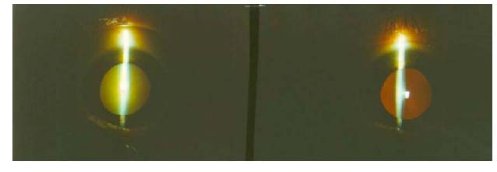
Figure 1:
Left image: pronounced opacities in the lens layers prior cataract treatment;
Right image: An appearance of the rose reflex visible through the lens which became significantly more transparent after 5 months of combined treatment of cataract with the N-acetylcarnosine eye drop combined with the oral supplementation of Nac-C Plus.Conclusion: Manipulation with chemical chaperones; N-acetylcarnosine, carnosine, D- pantethine or regulated/inducible molecular chaperone protein function (such as alpha-crystallin chaperone activity in the lens) offers novel therapies for reversal of (ripe) cataracts, retinal degeneration and ocular complications of diabetes.
Clinically Proven Ingredient N-Acetyl-Carnosine (NAC)
N-Acetyl-Carnosine is a highly specific intraocular form of Carnosine that works as a stabilizer and time-release carrier for the di-peptide L-Carnosine, securely transporting it into the aqueous humour of the eye when given topically. L-Carnosine becomes most active in its ability to operate as a natural and highly effective free radical scavenger in the fluid surrounding the lens, boosting DNA repair and helping to avoid DNA strand breaks induced by UV radiation.(7)
Clinical investigations have demonstrated that L-carnosine is highly effective for preventing and/or repairing cataracts and vision loss.(4, 5) Carnosine has a substantial impact on primary senile cataracts with a 100% success rate observed in a Chinese study of 96 patients aged 60 or older. For adult senile cataracts, the effect rate was 80%.(6)
N-Acetyl-Carnosine (NAC) has been proven in studies to enhance lens clarity in people and dogs with age-related cataracts, allowing previously cloudy areas to clear up and improve eyesight, as well as helping to prevent cataracts from developing in the first place.(1)
The biological activity and therapeutic efficacy of “carnosines” varies a lot depending on where they come from. For example, because of heavy metal salts, proteins, and other contaminants, extractions from meat muscle components can have low biological and antioxidant activity. Carnosine is difficult to purify since its biological and antioxidant capabilities are easily lost throughout the process.
Dr. Mark Babizhayev, inventor of Can-C™, demonstrated through his research that using non-approved N-Acetyl-Carnosine formulations will not help treat senile cataracts due to a lack of anti-cataract and antioxidant properties.
After 6 months, placebo-controlled clinical studies demonstrated that in eyes treated with N-Acetyl-Carnosine eye drops:
- 90% showed improvements in visual acuity.
- 89% saw improvement of glare sensitivity.
- 42% had an improvement of transmissivity of the lens.
- And the above improvements were noted to last for the duration of treatment.
Nac-C Plus™ Clinically Proven Ingredients
In combination with Can-C™ Eye Drops, Nac-C Plus™ Capsules contain specific antioxidants, and amino acids that have been clinically proven to help protect against common eye diseases such as cataracts,glaucoma and ARMD. Ingredients like N-Acetyl-Cysteine, L-Histidine, and L-Carnosine have all been shown to improve eyesight by boosting glutathione levels and functioning as powerful antioxidants to protect the lens of the eye from oxidative stress, keeping it more flexible and clear. Vitamin E and Zinc can also help prevent cataracts, glaucoma and other age-related vision problems.
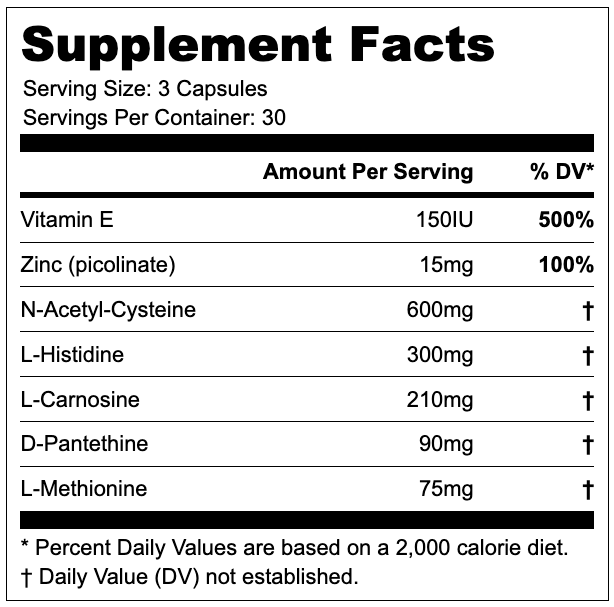
Other Ingredients: Micro-crystalline Cellulose, Di Basic Calcium Phosphate, Magnesium Stearate, Aerosil, Vegetarian Capsule.
Vitamin E
Shown to reduce cataract risk, Vitamin E (AKA alpha-tocopherol) is a fat-soluble antioxidant found in the membranes and lens fibers of the eye. It is thought to reduce degradation of lens lipids and stabilize the cell membranes of the lens, thereby protecting against cataracts. Several studies have demonstrated that low vitamin E levels are associated with increased cataract risk(1) while higher vitamin E consumption protects against cataract formation.(2)
- Olmedilla B, et al. Serum status of carotenoids and tocopherols in patients with age-related cataracts: a case-control study. J Nutr Health Aging 2002;6(1):66-8. https://pubmed.ncbi.nlm.nih.gov/11813087/
- Robertson J M, et al. Vitamin E intake and risk of cataract in humans. Ann NY Acad Sci 1993; 372-82. https://pubmed.ncbi.nlm.nih.gov/2629606/
Zinc
Zinc is vital to keeping your eyes healthy and vision sharp. Zinc is concentrated in a part of the retina called the “macula” and helps Vitamin A produce melanin, a pigment which has a protective effect on the eye. A deficiency in zinc has been associated with reduced night vision, while supplementation with zinc has been shown to slow the rate of age-related macular degeneration due to its importance in maintaining a healthy macula.(1) Zinc has also been shown to reduce cataracts by as much as 36% in people ages 65-74.(2)
- Blasiak J, et al. Zinc and Autophagy in Age-Related Macular Degeneration. Int J Mol Sci. 2020 Jul; 21(14): 4994. https://www.ncbi.nlm.nih.gov/pmc/articles/PMC7404247/
- Sperduto R D, et al. The Linxian cataract studies. Two nutrition intervention trials. Arch Ophthalmol. 1993 Sep;111(9):1246-53. https://pubmed.ncbi.nlm.nih.gov/8363468/
N-Acetyl-Cysteine
Glutathione is especially concentrated in the lens of the eye, and when it is depleted due to aging or oxidative stress it can cause cataract formation.(1, 2) That’s because glutathione is key to protecting lens flexibility and clarity, acting as a very powerful antioxidant to shield proteins and enzymes from oxidative stress caused by free radicals.(3) That means glutathione is something we want more of. Orally-administered N-Acetyl-Cysteine supports the glutathione sparing effects of Can-C™ eye drops and further increases tissue glutathione levels in the eye.
- Kamei A. Glutathione levels of the human crystalline lens in aging and its antioxidant effect against the oxidation of lens proteins. Biol Pharm Bull 1993; 16(9); 170-5.
- Oguchi M, et al. Glutathione and eye diseases. Ganka, 1970; 12: 125-32.
Giblin FJ. Glutathione: a vital lens antioxidant. J Ocul Pharmacol Ther 2000 Apr; 16(2):121-35.
L-Histidine
L-Histidine works synergistically with L-Carnosine and N-Acetylcarnosine to create heightened antioxidant activity, thereby protecting the eye from cataract-causing damage.(1) Clinical trials have shown that adding L-Histidine to other “natural imidazole-containing Peptidomimetics” like the ones mentioned above leads to a demonstrable increase in the treatment’s effectiveness and safety.(2, 3)
- N-Acetylcarnosine, a natural histidine-containing dipeptide, as a potent ophthalmic drug in treat-ment of human cataracts. Babizhayev MA, Deyev AI, Yermakova VN, Semiletov YA, Davydova NG, Kurysheva NI, Zhu-kotskii AV, Goldman IM. Peptides. 2001 Jun;22(6):979-94. PMID: 11390029 [PubMed – indexed for MEDLINE]
- Photoprotector and antioxidant properties of histamine-containing peptidomimetics in the photooxi-dation of glycyltryptophan. Babizhayev MA, Lozovskaya EL, Makareyeva EN, Lul’kin YA, Sapezhinskii II. Biochemistry (Mosc). 1998 May;63(5):523-8. PMID: 9632886 [PubMed – indexed for MEDLINE]
- Babizhayev MA, Guiotto A, Kasus-Jacobi A. N-Acetylcarnosine and histidyl-hydrazide are potent agents for multitargeted ophthalmic therapy of senile cataracts and diabetic ocular complications. J Drug Target. 2009;17(1):36-63.
L-Carnosine
Cataracts tend to result from oxidative stress, and L-Carnosine has been shown to have an antioxidant impact on a cataract-affected lens, enhancing DNA repair and helping to prevent DNA strand breaks caused by UV radiation.(1)
L-Carnosine has been shown in clinical trials to be highly effective at protecting against and/or reversing cataracts, improving vision and quality of life.(2, 3) In fact, according to a Chinese trial on 96 patients aged 60 or older, Carnosine has a significant effect on primary senile cataracts, with a 100% effective rate. The impact rate for mature senile cataracts was 80%.(4)
- Lou M F. Thiol regulation in the lens. J Ocul Pharmacol Ther 2000 Apr; 16(2):137-48. https://pubmed.ncbi.nlm.nih.gov/10803424/
- Quinn P J, et al. Carnosine: its properties, functions and potential therapeutic applications. Mol Aspects Med 1992; 13(5):379-444. https://pubmed.ncbi.nlm.nih.gov/9765790/
- Specht S, et al. Continuing damage to rat retinal DNA during darkness following light exposure. Photochem Photobiol 2000; 71(5):559-66. https://pubmed.ncbi.nlm.nih.gov/10818786/
- Wang AM, et al. Use of carnosine as a natural anti-senescence drug for human beings. Department of Biochemistry and Department of Neurobiology, Harbin Medical University, China 1999. https://pubmed.ncbi.nlm.nih.gov/10951108/
D-Pantethine
D-Pantethine works synergistically with N-Acetyl-Carnosine and L-Carnosine to help reverse cataracts, retinal degeneration, and ocular complications of diabetes.(1)
- S É Avetisov, N L Sheremet, et al. Deceleration of cataract development in rats under the action of N-acetylcarnosine and D-pantethine mixture. Eksp Klin Farmakol. 2014;77(11):11-5.
L-Methionine
L-Methionine is an essential amino acid naturally synthesized in the body after protein consumption, and is a precursor to the creation of other amino acids that support eye health like taurine, carnitine, and cysteine. It is found naturally in egg whites, fish, poultry, and seaweed, among other foods.
When combined with adequate amounts of B vitamins, L-Methionine can help reduce homocysteine levels, relieving glaucoma, macular degeneration, and other retinal conditions, as well as detoxifying the body.(1, 2)
- Ghosh, S., Saha, M., Das, D. (2013). A study on plasma homocysteine level in age-related macular degeneration. Nepal J Ophthalmol, Jul-Dec;5(2):195-200.
- Huang, P., Wang, F., et al. (2015). Homocysteine and the risk of age-related macular degeneration: a systematic review and meta-analysis. Sci Rep, Jul;21;5:10585.
Nac-C Plus™ Capsules vs. Can-C + Capsules
Nac-C Plus™ is the only supplement on the market that still uses the original formula invented & tested by Dr Mark Babizhayev to provide optimal support for his Can-C™ eye drops.
Other products like “Can-C + capsules” have dropped integral ingredients such as N-Acetyl-Cysteine and L-Histidine from the formula despite the way that these ingredients synergistically integrate with the N-Acetyl-carnosine in Can-C™ eye drops. These specific ingredients in the original formula create heightened antioxidant activity and more effectively promote healing, repair, and protection from future damage.
If you’re looking for the exact eye health support regimen that Dr. Babizhayev himself recommended, the only choice is Can-C™ Eye Drops with Wise Choice Medicine’s Nac-C Plus™ capsules.
Patents: (WO 2004/028536 A1; WO 94/19325; WO 95/12581; WO 2004/064866 A1)
Footnotes
1. Olmedilla B, et al. Serum status of carotenoids and tocopherols in patients with age-related cataracts: a case-control study. J Nutr Health Aging 2002;6(1):66-8. https://pubmed.ncbi.nlm.nih.gov/11813087/
2. Robertson J M, et al. Vitamin E intake and risk of cataract in humans. Ann NY Acad Sci 1993; 372-82. https://pubmed.ncbi.nlm.nih.gov/2629606/
3. Blasiak J, et al. Zinc and Autophagy in Age-Related Macular Degeneration. Int J Mol Sci. 2020 Jul; 21(14): 4994. https://www.ncbi.nlm.nih.gov/pmc/articles/PMC7404247/
4. Sperduto R D, et al. The Linxian cataract studies. Two nutrition intervention trials. Arch Ophthalmol. 1993 Sep;111(9):1246-53. https://pubmed.ncbi.nlm.nih.gov/8363468/
5. Kamei A. Glutathione levels of the human crystalline lens in aging and its antioxidant effect against the oxidation of lens proteins. Biol Pharm Bull 1993; 16(9); 170-5.
6. Oguchi M, et al. Glutathione and eye diseases. Ganka, 1970; 12: 125-32.
Giblin FJ. Glutathione: a vital lens antioxidant. J Ocul Pharmacol Ther 2000 Apr; 16(2):121-35.
7. N-Acetylcarnosine, a natural histidine-containing dipeptide, as a potent ophthalmic drug in treat-ment of human cataracts. Babizhayev MA, Deyev AI, Yermakova VN, Semiletov YA, Davydova NG, Kurysheva NI, Zhu-kotskii AV, Goldman IM. Peptides. 2001 Jun;22(6):979-94. PMID: 11390029 [PubMed – indexed for MEDLINE]
8. Photoprotector and antioxidant properties of histamine-containing peptidomimetics in the photooxi-dation of glycyltryptophan. Babizhayev MA, Lozovskaya EL, Makareyeva EN, Lul’kin YA, Sapezhinskii II. Biochemistry (Mosc). 1998 May;63(5):523-8. PMID: 9632886 [PubMed – indexed for MEDLINE]
9. Babizhayev MA, Guiotto A, Kasus-Jacobi A. N-Acetylcarnosine and histidyl-hydrazide are potent agents for multitargeted ophthalmic therapy of senile cataracts and diabetic ocular complications. J Drug Target. 2009;17(1):36-63.
10. Lou M F. Thiol regulation in the lens. J Ocul Pharmacol Ther 2000 Apr; 16(2):137-48. https://pubmed.ncbi.nlm.nih.gov/10803424/
11. Ghosh, S., Saha, M., Das, D. (2013). A study on plasma homocysteine level in age-related macular degeneration. Nepal J Ophthalmol, Jul-Dec;5(2):195-200.
12. Huang, P., Wang, F., et al. (2015). Homocysteine and the risk of age-related macular degeneration: a systematic review and meta-analysis. Sci Rep, Jul;21;5:10585.